
How Processing Affects Food Nutrition
A comparison of how food processing impacts nutrient density and overall food composition
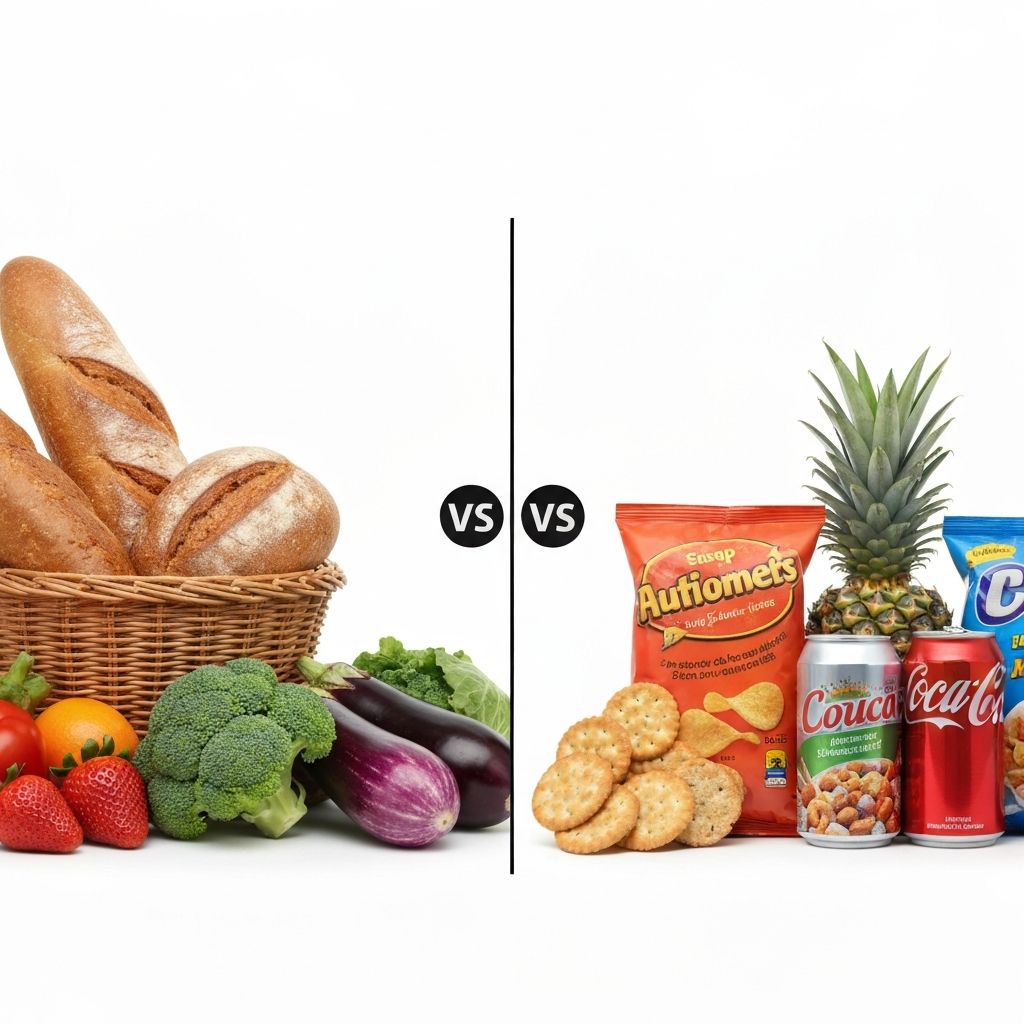
Introduction
Food processing encompasses any modification of raw food—from cooking and freezing to industrial manufacturing. Processing affects food in various ways, some beneficial and some detrimental to nutritional content. Understanding these effects helps inform food choices and appreciate the relationship between processing and nutrition.
What Is Food Processing?
Food processing includes a wide spectrum of modifications:
Simple modifications like washing, cutting, freezing, or canning. Freezing can preserve nutrients; canning preserves food while potentially reducing some heat-sensitive vitamins.
Includes cooking, blanching, or pasteurization. Affects nutrient availability and food structure while making foods safer or more digestible.
Includes refinement (removing fiber and nutrients), fortification (adding nutrients back), and manufacturing with added ingredients. Often increases shelf-life but may significantly alter original composition.
Effects on Nutrient Content
Processing can affect nutrients in various ways:
Heat-Sensitive Nutrients
Cooking, pasteurization, and high-temperature processing can reduce vitamin C and some B vitamins. Other nutrients become more bioavailable through cooking.
Fiber Removal
Refining grains (removing bran and germ) reduces fiber content. Whole grains retain more fiber and many minerals compared to refined versions.
Mineral Retention
Some minerals are stable to processing; others may be leached during cooking. Canned vegetables may retain minerals but lose water-soluble vitamins.
Fortification
Processed foods often have nutrients added back or added in excess of original levels. Examples include fortified cereals and enriched flour.
Effects on Food Structure
Processing changes how food is structured at a physical level:
- Digestibility: Processing can make foods easier or harder to digest. Cooking softens vegetables; grinding grains increases surface area
- Particle Size: Refined foods have smaller particles; whole foods have larger structures
- Texture: Processing affects mouthfeel and satiety. Whole foods often require more chewing
- Water Content: Drying removes water; some processes add water or oils
Examples of Processing Effects
Different foods respond differently to processing:
Whole grains retain bran, germ, and endosperm, providing fiber, minerals, and B vitamins. Refined grains have the bran and germ removed, reducing fiber significantly. Some refined grains are fortified with added vitamins.
Frozen vegetables are typically blanched (briefly cooked) before freezing, which may reduce some water-soluble vitamins but preserves overall nutritional content. Frozen vegetables retain nutrients well during storage, sometimes better than fresh produce stored for extended periods.
Canning involves heat treatment and salt or sugar addition. Heat can reduce some vitamins, but minerals are well-retained. Canned produce without added sugar or excessive sodium remains nutritious.
Pasteurization and homogenization alter milk structure but preserve proteins, calcium, and most nutrients. Heavily processed cheese products may have added ingredients not present in whole milk.
Processing and Additives
Extensive processing often includes added ingredients:
- Preservatives: Extend shelf-life; may not directly affect nutrition but change food composition
- Sweeteners: Add calories and sugar content; may affect overall nutritional profile
- Sodium: Added for flavor and preservation; can increase salt content significantly
- Healthy Fats Replaced: Sometimes healthy fats are replaced with trans or saturated fats in processing
- Fortification: Added nutrients may enhance nutritional content but represent non-whole food composition
Whole Foods vs Processed Foods
General comparison between categories:
- Whole Foods: Minimal alteration; retain original fiber, nutrients, and structure; generally require cooking or preparation
- Minimally Processed: Simple modifications like freezing; retain most nutrients; convenient
- Moderately Processed: Some nutrient changes; shelf-stable; often convenient
- Extensively Processed: Significant compositional changes; may contain additives; highly convenient
Key Takeaways
- Food processing encompasses a wide spectrum, from minimal to extensive
- Processing affects nutrient content, food structure, and overall composition differently
- Some processing reduces certain nutrients; some methods preserve or enhance them
- Whole foods generally retain original fiber and nutrient density
- Processed foods can fit into a balanced diet when chosen thoughtfully