
Body Composition & Nutrition
Exploring the science of nutrition and how it influences everyday health

Educational content only. No promises of outcomes.
About This Resource
BritishBodyFocus is an independent educational platform dedicated to explaining the science behind body composition and nutritional influences. Our content is designed to provide factual, evidence-based information about nutrition, metabolism, and dietary principles—without personal recommendations or outcome promises.
We focus on scientific fundamentals, explore how different nutrients function in daily nutrition, and reference established guidelines like the UK Eatwell Guide. Our purpose is to inform and educate, not to advise or influence individual decisions.
Key Topics
Body Composition Basics
Understanding the fundamental components that make up human body mass: fat mass, lean mass, water, and bone density.
Explore this topicMacronutrient Roles
Detailed breakdown of how carbohydrates, proteins, and fats function in daily energy metabolism and nutrition.
Learn key factsBritish Dietary Guidelines
An overview of the official UK Eatwell Guide principles and evidence-based dietary recommendations.
View supporting informationSatiety Mechanisms
Scientific explanation of how hormonal and volume-based signals regulate feelings of fullness in everyday eating.
Read furtherFood Processing Effects
Comparison of how processing impacts nutrient density and the general effects on food composition and digestion.
Discover detailsMetabolic Fundamentals
Neutral science of basal metabolic rate, thermic effect of food, and the activity components of energy expenditure.
Continue to articleFeatured Content

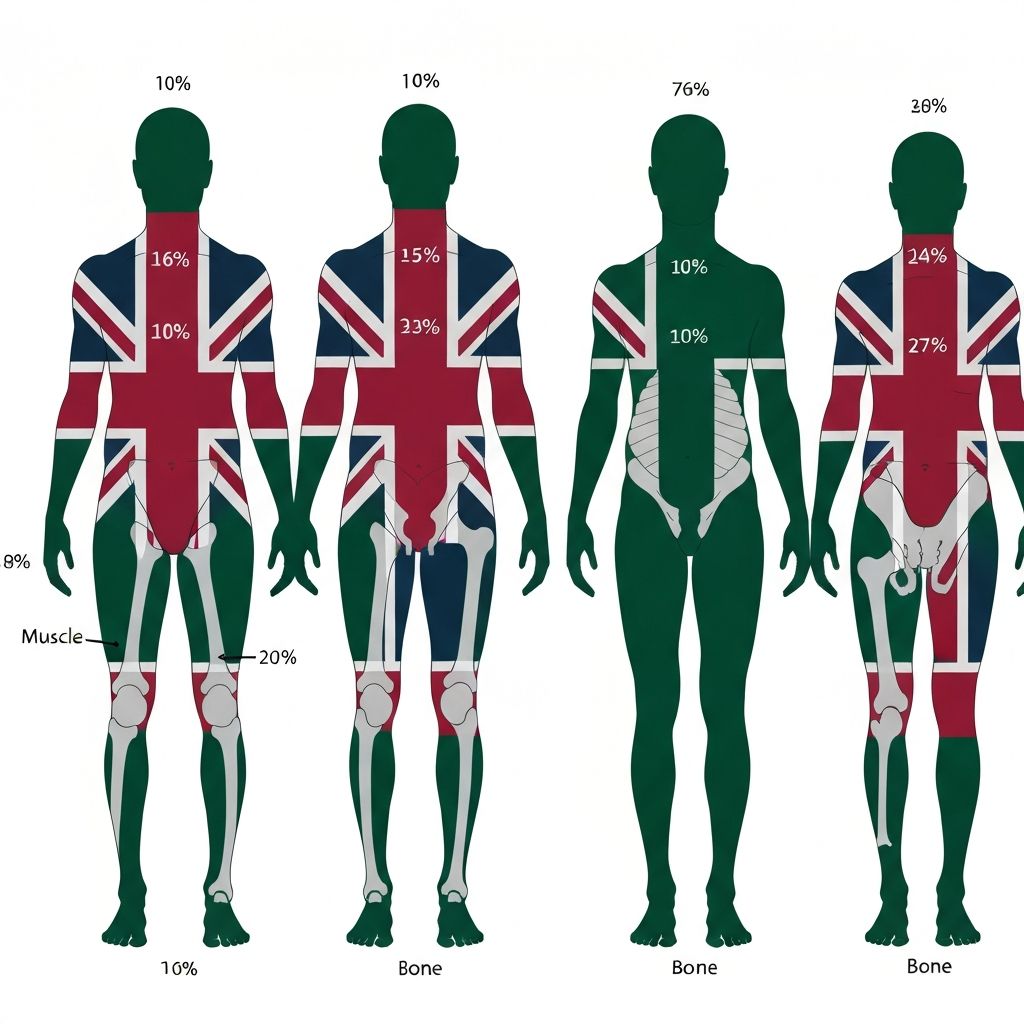
What Really Makes Up Body Composition?
A breakdown of the components and measurement basics that define body composition.
Read the full explanation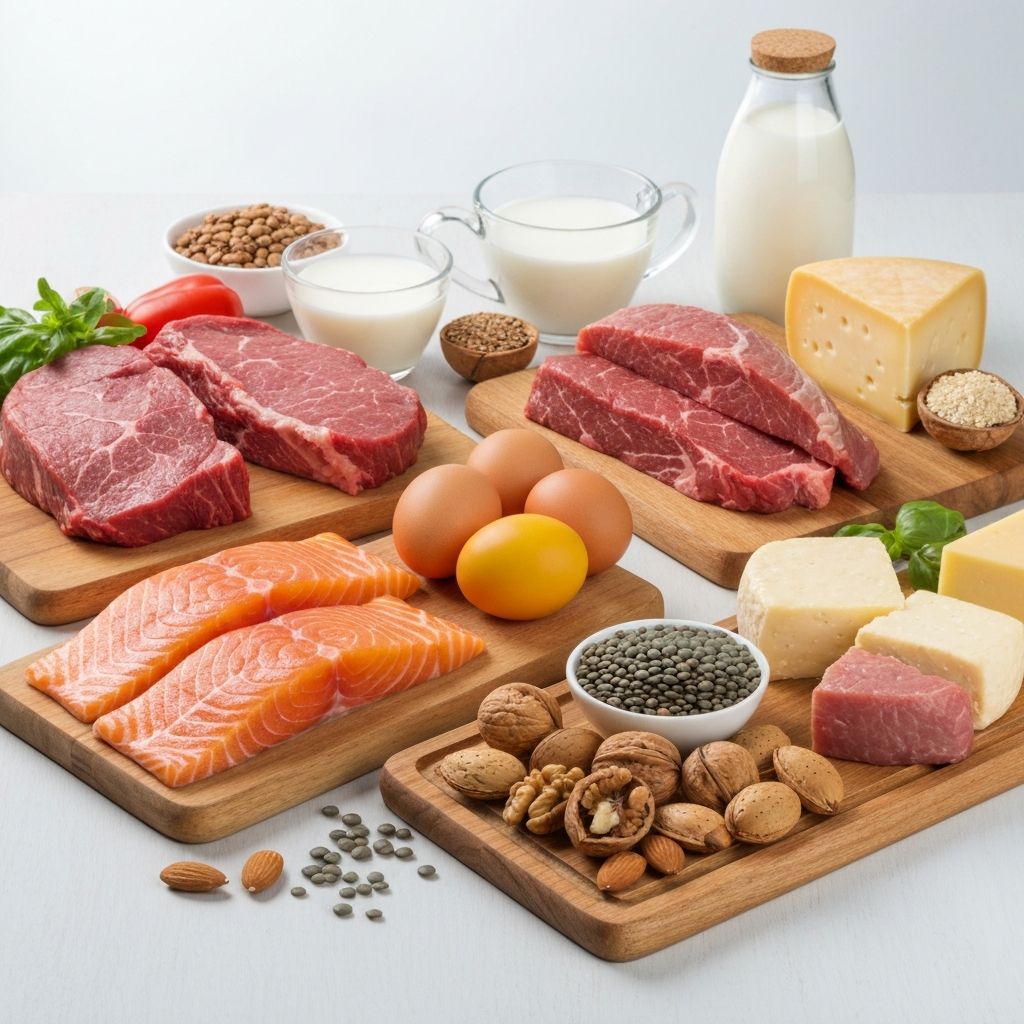
Protein Sources and Their Everyday Role
Facts on animal and plant protein sources and their function in daily nutrition.
Read the full explanation
Carbs: Simple vs Complex – The Science
Explanation of digestion, energy release, and the role of different carbohydrate types.
Read the full explanationCommon Questions
BritishBodyFocus provides factual, science-based educational content about nutrition, body composition, and dietary science. We explain concepts, describe phenomena, and provide context—but we do not offer personal advice or recommendations.
No. Our content is general educational information only. It is not tailored to individual circumstances, health conditions, or goals. For personalized advice, please consult qualified healthcare professionals.
Our content provides background knowledge about nutrition science. However, individual dietary decisions should be made in consultation with qualified professionals such as registered dietitians, doctors, or nutritionists who understand your specific circumstances.
The Eatwell Guide is the official UK government framework for healthy eating, showing recommended proportions of different food groups. It serves as an educational reference for balanced nutrition but is not prescriptive for individuals.
All macronutrients (carbohydrates, proteins, fats) provide energy measured in calories. Carbohydrates and proteins provide 4 calories per gram, while fats provide 9 calories per gram. Each plays distinct roles in metabolism and bodily functions.
Body composition refers to the proportion of different components in the human body: fat mass, lean muscle mass, water, and bone density. It differs from total body weight because individuals with the same weight can have different compositions.
Processing can affect nutrient density, fiber content, and food structure. Some processing preserves nutrition, while other methods may reduce certain nutrients. Whole foods typically retain more original nutrients than highly processed alternatives.
Satiety is influenced by hormonal signals (such as leptin and cholecystokinin), food volume, fiber content, and gastric stretch. Both biological mechanisms and food composition play roles in how full a person feels.
Explore Our Articles
Discover detailed articles on nutrition science, body composition, and dietary principles. Each article provides evidence-based information and scientific context.
Have Questions?
We welcome informational inquiries. Use the form below to reach out with questions about our content or resource.